
CURRICULUM
Curriculum at Casgala is based on the British Early years Foundation stage (EYFS) using the Reggio Emilia approach which gives children the opportunity to explore and inquiry for themselves. We value children’s voices and interest deeply. Here’s how the two can be blended to enhance early years education.
Through this holistic and responsive approach, we support the development of the whole child socially, emotionally, physically, and intellectually preparing them not just for school, but for life.
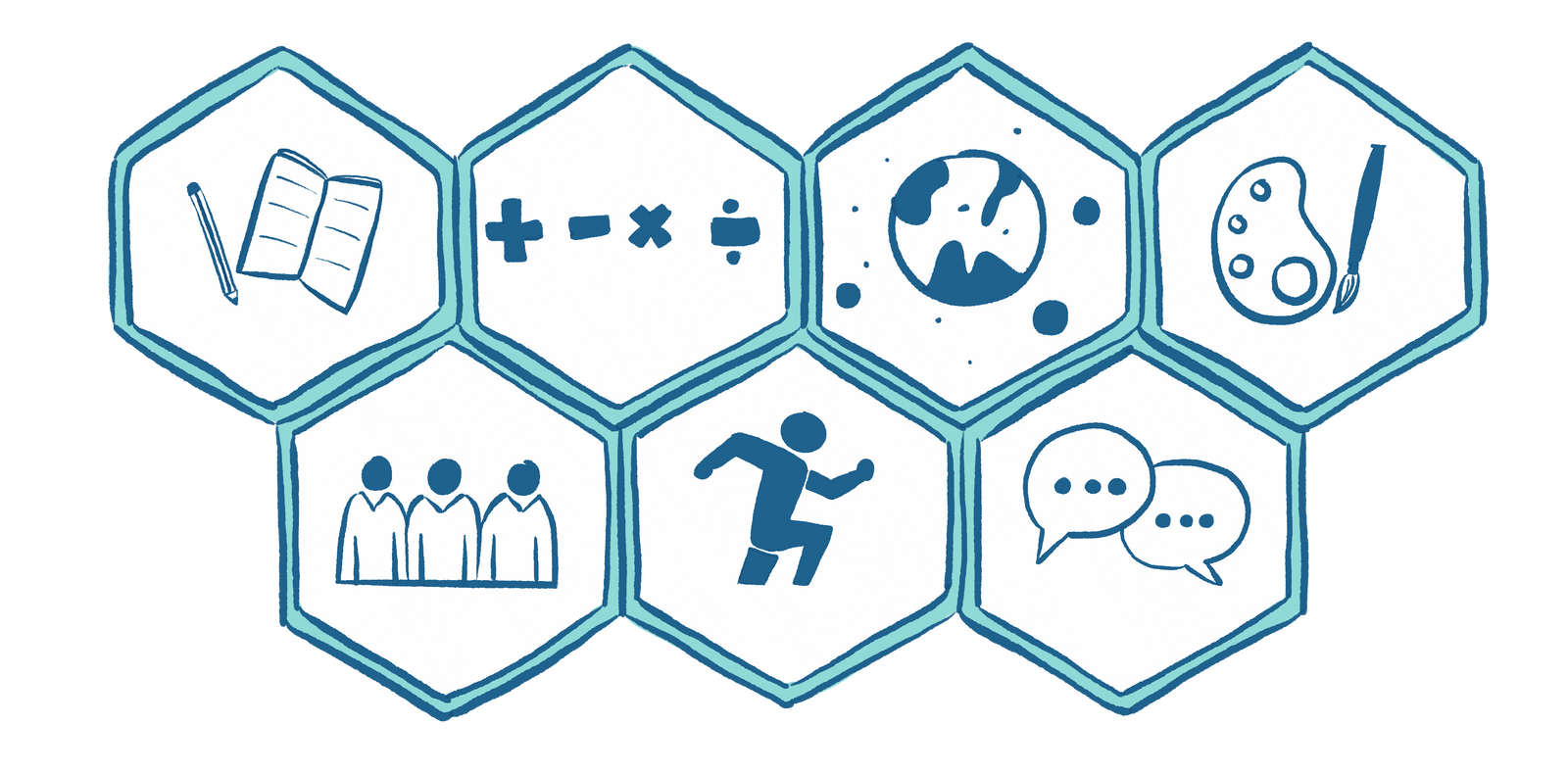
The 7 areas of learning in EYFS
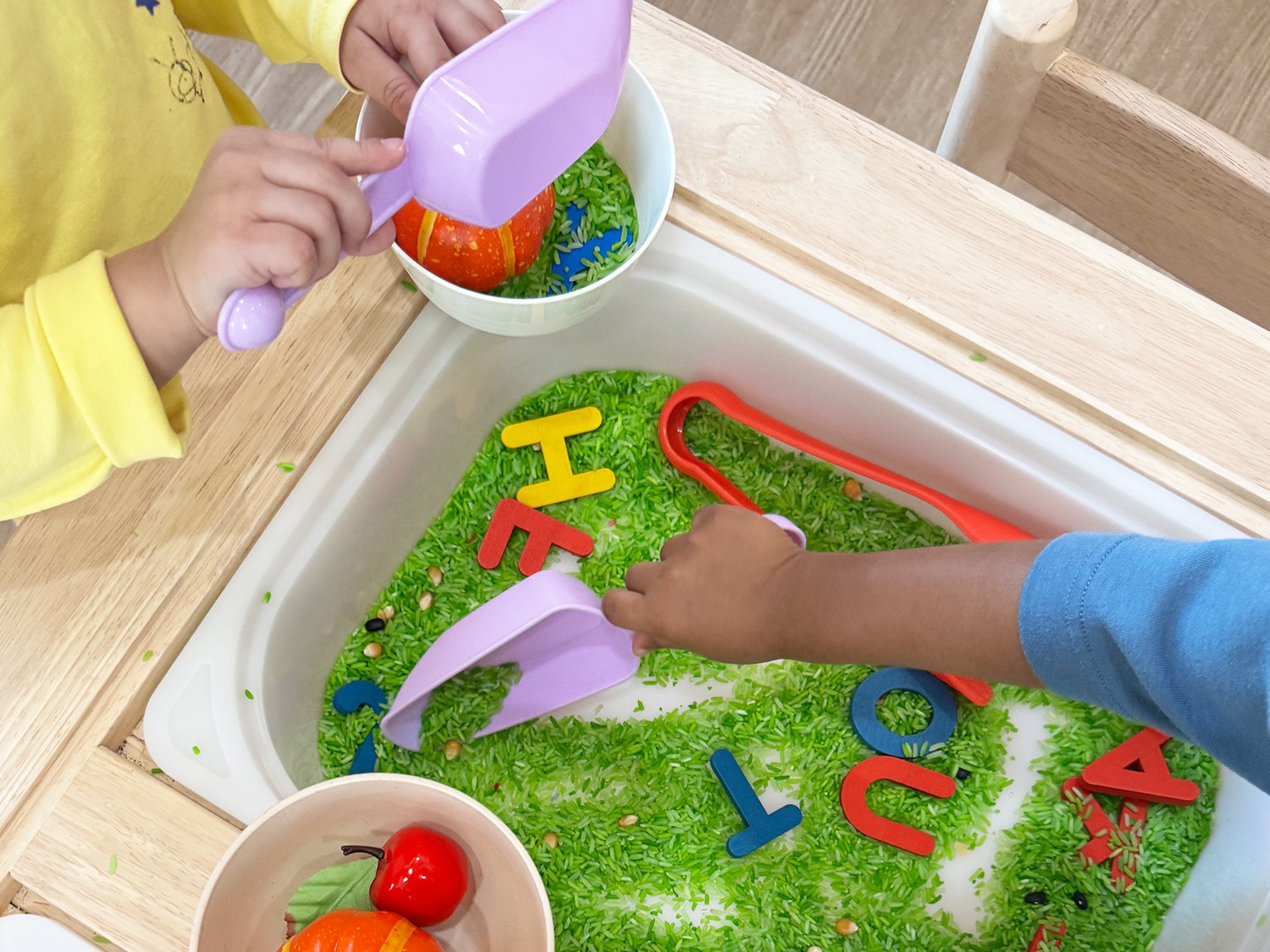
At our nursery and kindergarten, we believe that young children learn best through active hands-on discovery and collaborative play. Our curriculum is designed to nurture natural curiosity, creativity, and critical thinking, laying the groundwork for lifelong learning. Our experienced teaching team carefully curates enabling experiences and provocations that encourage exploration, experimentation, and problem-solving always aligned with age-appropriate developmental milestones.
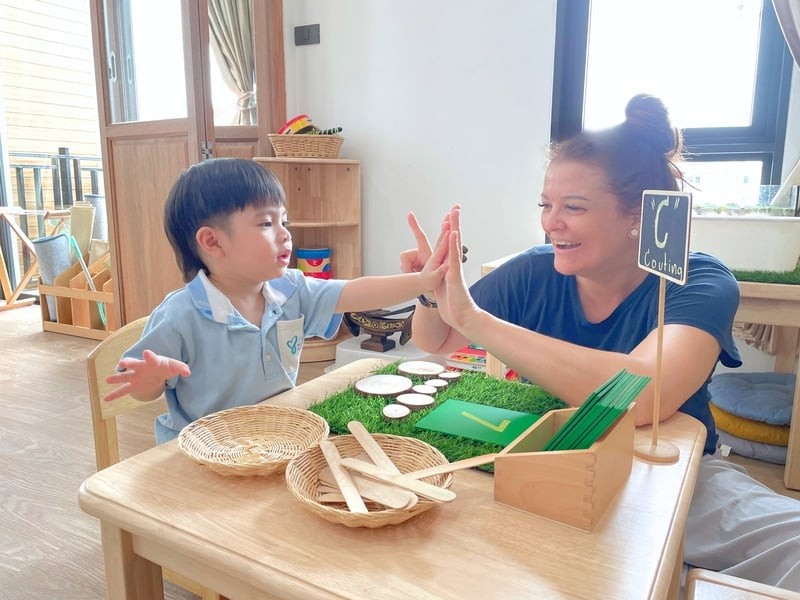
Additionally, at Casgala we provided a Montessori classroom for nursery and kindergarten is a thoughtfully prepared environment designed to support independent learning, freedom within limits, and hands-on exploration. It’s based on the philosophy of Dr. Maria Montessori, an Italian physician and educator.” At Casgala’s Montessori classroom, where the environment is purposefully prepared with child-sized furniture, thoughtfully arranged learning materials and a warm, spacious compound, children are supported in developing confidence, independence and joy in learning.
Integrating Montessori and Reggio Emilia approaches
within the same curriculum but in different classes can offer a rich and diverse educational experience for children. Here are some ways children can benefit from this setup:
1. Holistic Development: Both approaches emphasize child-centered learning, fostering independence, creativity, critical thinking, and social skills. Exposure to both methods supports varied developmental needs.
2. Enhanced Social Interaction: Children from different classrooms can interact during joint activities, fostering collaboration, understanding, and respect for diverse learning styles.
3. Shared Learning Experiences: Organizing events, projects, or assemblies that include students from both classes allows children to learn from each other's approaches—Montessori's structured independence and Reggio's expressive, exploratory learning.
4. Cross-Disciplinary Skills: Montessori's focus on individualized, hands-on learning combined with Reggio Emilia's emphasis on expressive arts can help children develop a wide range of skills and interests.
5. Modeling and Mentoring: Older or more experienced students in one approach can serve as role models or mentors to their peers, promoting leadership and empathy.
6. Community Building: Regular inter-class activities and collaborations strengthen the classroom community and make children feel they are part of a larger, supportive environment.
7. Teacher Collaboration: Staff working across both approaches can share insights and strategies, enriching instructional methods and ensuring consistent themes of curiosity, exploration, and respect.
In practice, schools often facilitate joint projects, celebrations, or team teaching sessions to promote these benefits. The key is fostering a respectful understanding of both philosophies and creating opportunities for children to experience and appreciate different methods of learning.